In This Article
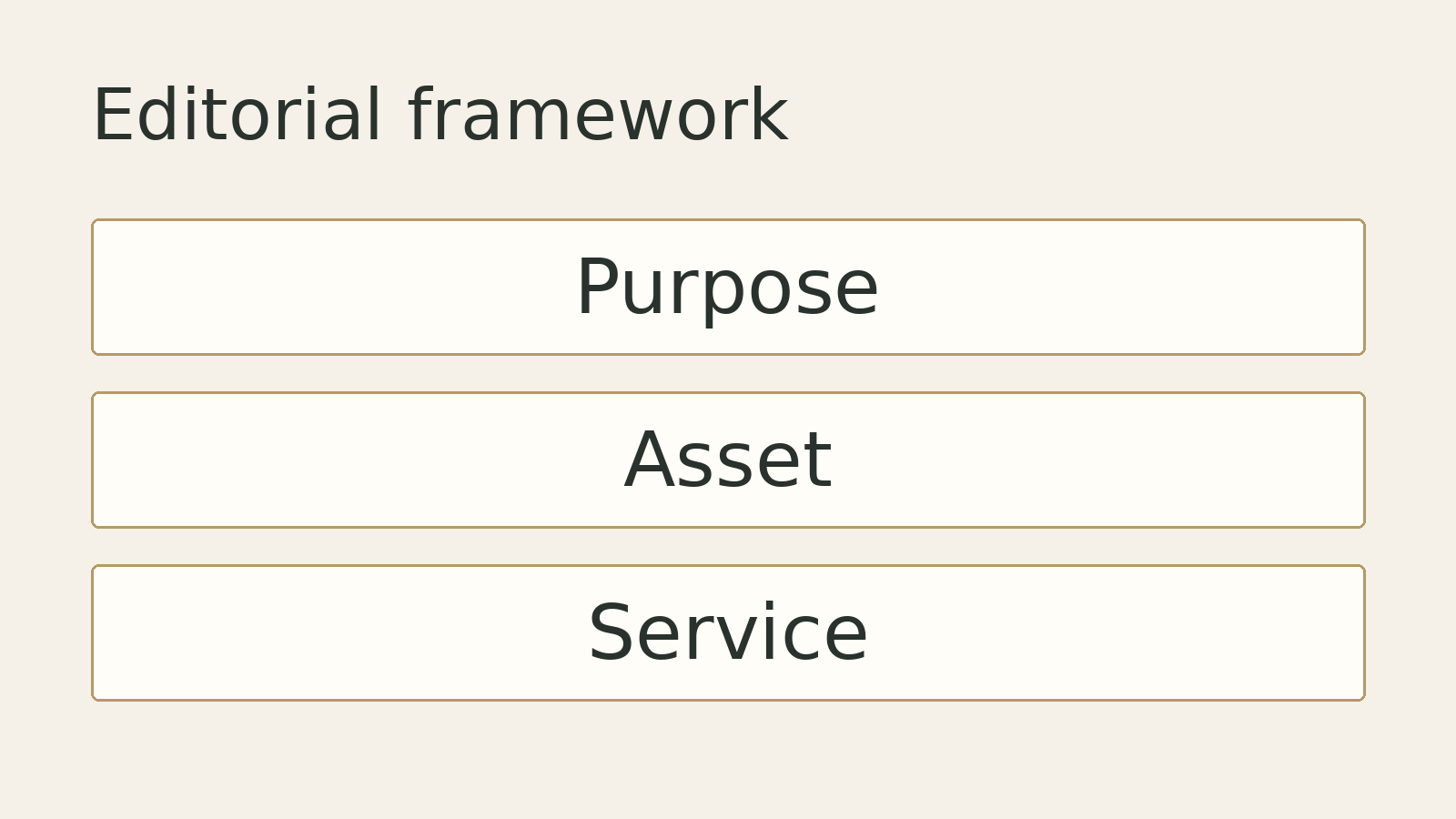
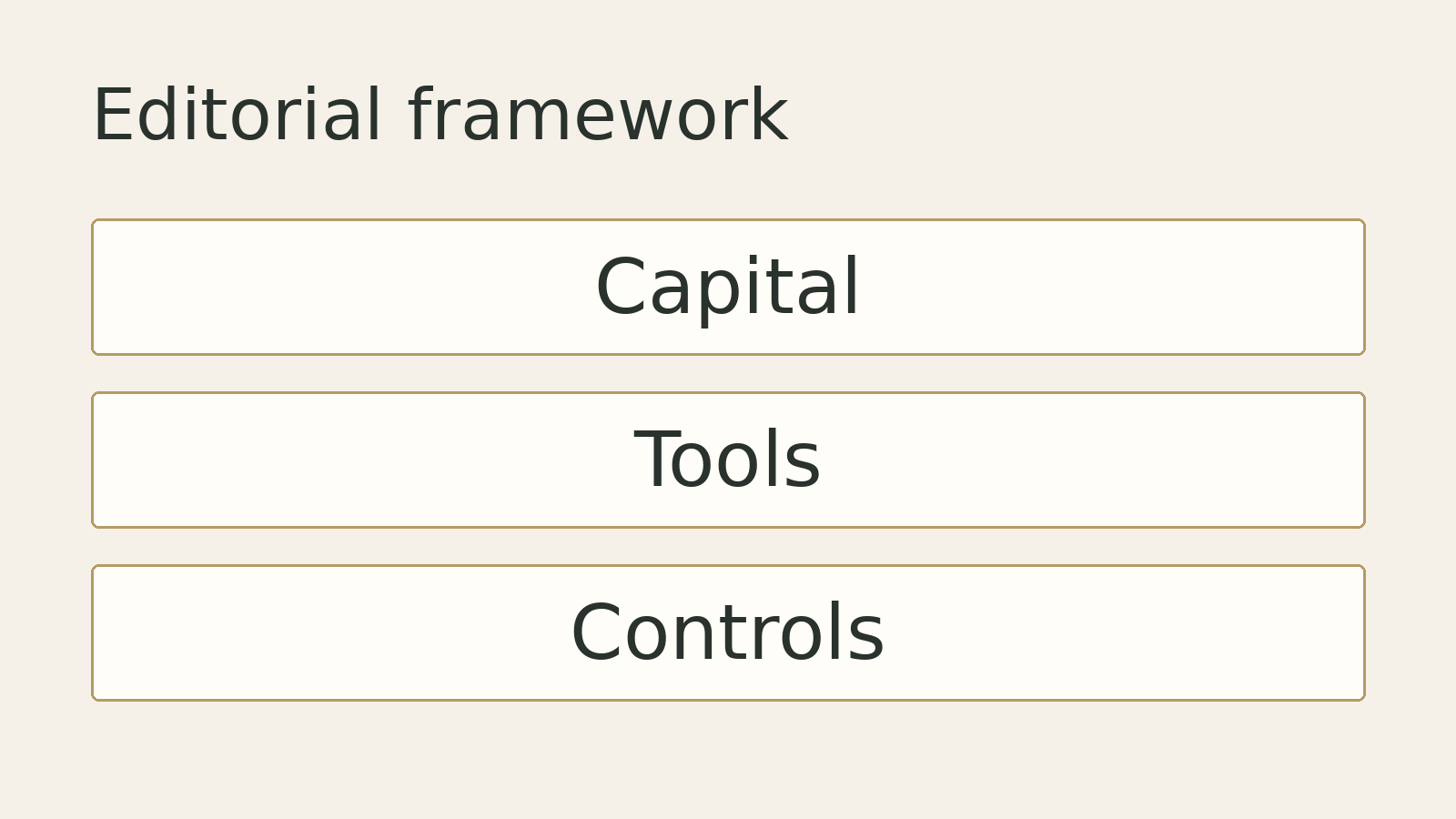
A national strategy can explain why a business exists. It does not tell a reader everything about the chief executive's job. PIF's giga-project portfolio and Mubadala's public governance model illustrate distinct mandates within the Gulf: developing sectors and destinations, investing for shareholder returns, and assigning responsibility for execution. These sources support a comparison of institutional purposes, not a claim that every regional CEO is judged by the same scorecard.
Read the shareholder mandate first
Mubadala's 2025 strategy states a mandate to deliver sustainable, risk-adjusted returns for its shareholder. Its board page identifies the government of Abu Dhabi as sole shareholder and describes a connection to development and diversification priorities. Both parts matter: a development context does not remove the stated return objective.
PIF presents its giga-projects as a way to stimulate the economy and diversify activity beyond oil. That is a stated portfolio purpose. It is not a published employment contract for each project CEO, nor evidence that financial and non-financial goals carry identical weights across all subsidiaries.
The operating stage changes the questions
A development-stage business needs decisions about financing, approvals, design and construction. An operating destination needs evidence about service, utilisation and recurring costs. An investment platform faces a different set of portfolio and risk questions. These are editorial distinctions that help a reader interrogate a role; they are not findings from a survey of Gulf executives.
Before comparing two chief executives, identify what each organisation must deliver now. A construction milestone and a portfolio return are not interchangeable measures.
Do not infer personal performance from national ambition
PIF's public descriptions include future ambitions for its projects. A national or portfolio target should remain a target until the relevant result is documented. It does not establish that an individual leader has achieved it, missed it or caused a change in schedule.
The same caution applies to appointments. A change in leadership does not, without supporting evidence, reveal a board's private assessment. Reporting should separate the announced appointment from speculation about its motives.
Define the evidence a mandate needs
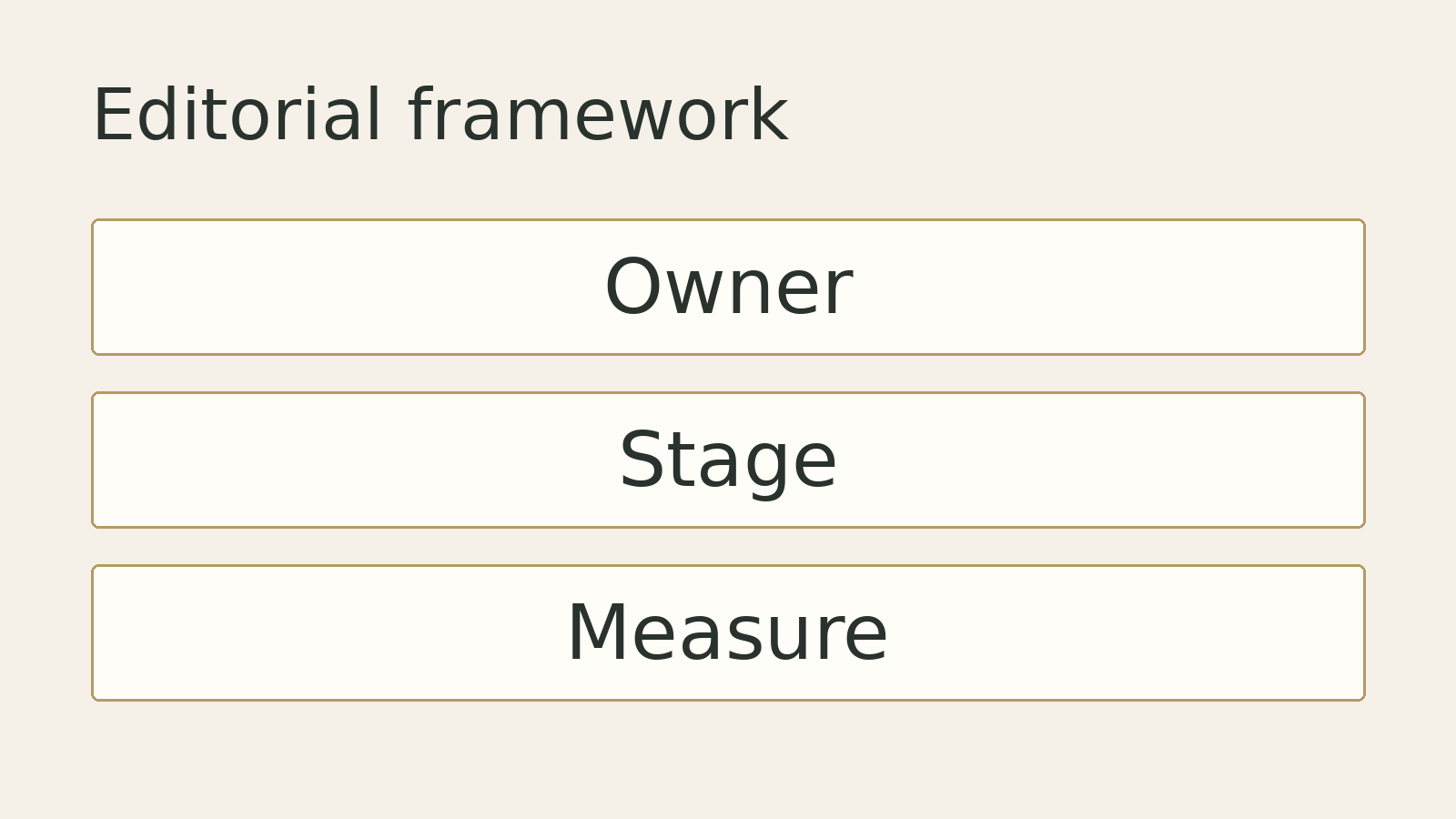
A useful leadership brief would identify the owner, the delegated authority, the current operating stage and the measures against which delivery will be assessed. Where those facts are not public, the gap should remain visible.
The Gulf is not one boardroom. Reading specific mandates is more informative than setting up a contrast with an equally broad Western model. The management question is concrete: what has this institution asked this executive to do, and what evidence would show it has been done?
Sources and scope
Checked 27 October 2026. Dated source statements and editorial recommendations are distinguished in the text. This is not legal, investment or operational-security advice.