In This Article
A destination can be announced, financed, partly built and partly open at the same time. PIF's giga-projects page describes a portfolio spanning urban development, entertainment, tourism, housing and heritage. That range makes stage-specific reporting important. This analysis uses the portfolio descriptions to examine management questions, not to rank projects, report private budgets or claim a newly proven model of Saudi leadership.
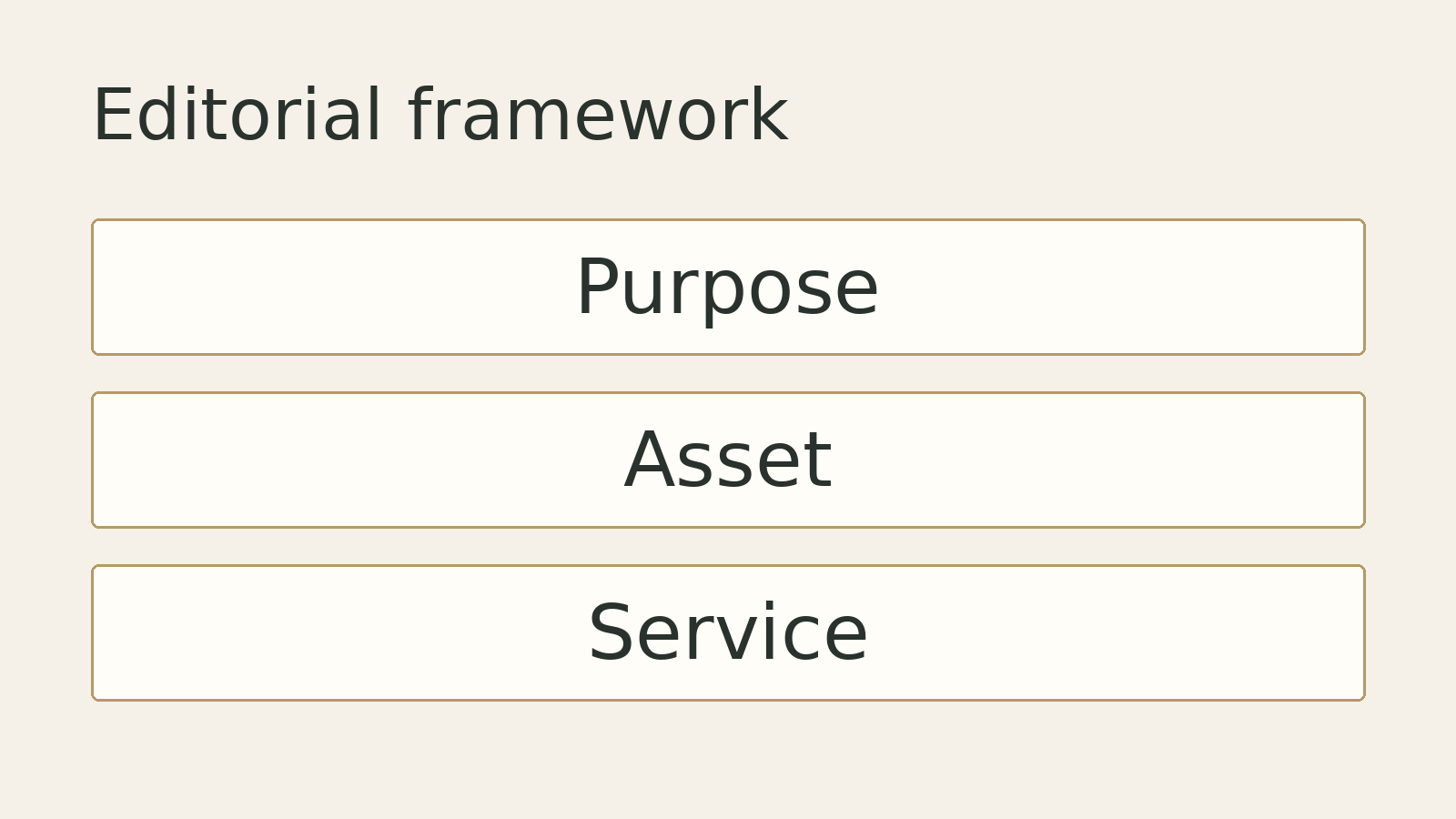
Start with the actual project purpose
PIF identifies NEOM, Qiddiya, Red Sea Global, ROSHN Group and Diriyah Company within its giga-project portfolio. Its descriptions link Qiddiya to entertainment, sport and culture; Red Sea Global to tourism; ROSHN to communities and a broader property portfolio; and Diriyah to cultural and heritage development.
Those are related diversification ambitions, not identical businesses. A hotel destination, residential development and industrial zone need different operating arrangements. One headline progress percentage would not explain them all.
Separate construction from service
A completed physical asset still needs a functioning service around it. For a tourism development, an editorial review might examine access, staffing, booking, maintenance and the visitor experience. For housing, it might ask about handover and the services residents can actually use.
These are proposed assessment questions rather than reported results for any named project. PIF's portfolio page does not provide a complete operating dashboard or a basis for judging every site's readiness.
Keep ambition and delivery in different columns
Portfolio descriptions often explain what a development is intended to become. Future environmental, visitor or economic ambitions should not be rewritten as current results. Nor should one opened asset be treated as proof that every part of a larger destination is complete.
An accurate update should identify the particular asset, its status and the date of the evidence. Where a developer announces an opening, that announcement supports the stated opening milestone, not every projected long-term effect.
Give the operating institution its own attention
The transition from construction to operation raises questions about responsibility: who maintains the asset, handles customers, manages suppliers and reports performance? This is where the management story becomes more specific than a description of scale.
The useful test is whether the institution can explain how the development will work, not whether its chief executive fits an invented regional archetype. Evidence about service delivery and recurring economics will say more than claims that an entire generation of leaders has already been transformed.
Sources and scope
Checked 27 October 2026. Dated source statements and editorial recommendations are distinguished in the text. This is not legal, investment or operational-security advice.