In This Article
A headline is an aggregation
A large transaction total can describe a busy market without answering the question a buyer actually has. Which neighbourhood, property type and registration category generated the activity? A citywide number cannot tell a household what a comparable apartment sold for, or tell a landlord what rent a tenant will accept.
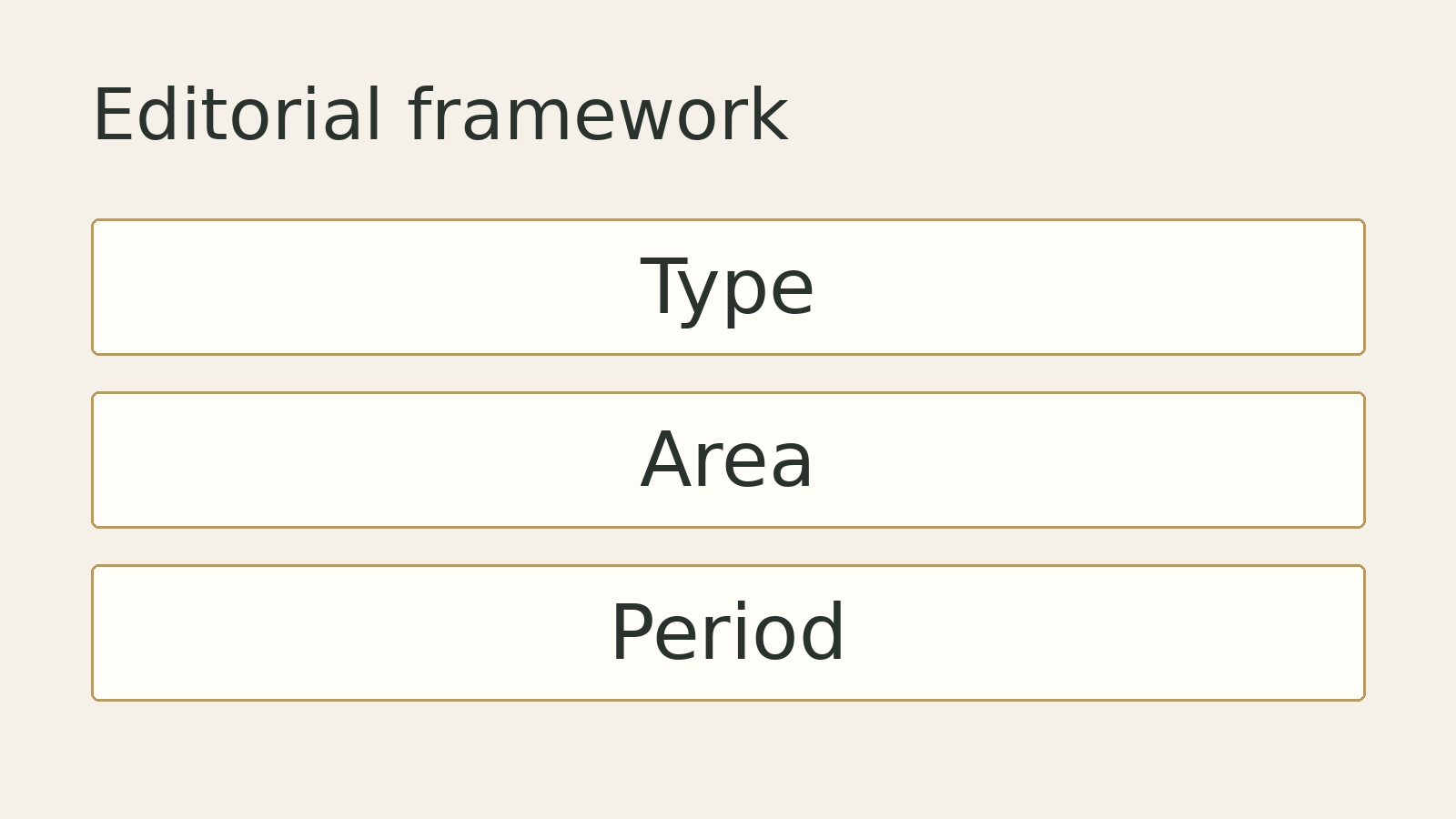
Dubai Land Department's real estate data interface separates transaction type, transaction subtype, registration type, usage, area and property characteristics. It also distinguishes transaction size from property size. Those fields supply a better starting point than assuming every recorded transaction is the same economic event.
Choose comparable records
A useful comparison begins with a specific question. For a completed apartment, select a relevant area and property type, then examine size, rooms and registration category. For an off-plan unit, keep that category distinct rather than combining it with completed stock and calling the result a single price.
This is an analytical approach, not a valuation. Condition, view, service charges, payment schedule and other differences may remain outside a simple extract. A small set of transactions can also be unrepresentative. Record the filters so another reader can see how the comparison was formed.
Keep finance separate from ownership transfers
The data interface allows transaction types to be filtered. That matters because financing activity and sales answer different questions. The sum of mortgages and sales should not be presented as the value of homes purchased unless the source explicitly defines it that way.
Time periods matter as well. A year-to-date comparison needs matching endpoints, and a change in the mix of larger or smaller properties can move the average without an equivalent change in every unit's value. Look at volume and composition alongside the money total.
Turn transparency into discipline
The DLD page directs users to data.dubai for previous-year data. A reader should preserve the source, retrieval date and coverage of any extract, rather than treating a downloaded spreadsheet as permanently current. Check the definitions again before reusing an older analysis.
Open data improves a property discussion when it makes the comparison reproducible. It does not remove uncertainty or promise a return. The strongest market reading starts with a defined property question, uses comparable records and states what those records cannot explain. That is slower than repeating a boom headline, but more useful when an actual decision is at stake.
Sources and scope
Editorial analysis of public sources, not investment advice. Reporting periods and definitions differ. No return, eligibility or financing outcome is promised.