In This Article
A standard is not a local mandate
The IFRS Foundation publishes information about jurisdictions' adoption or other use of ISSB sustainability standards. Its jurisdictional pages are intended to make regulatory progress more transparent. They are not a single rule that automatically applies to every company across the Gulf.
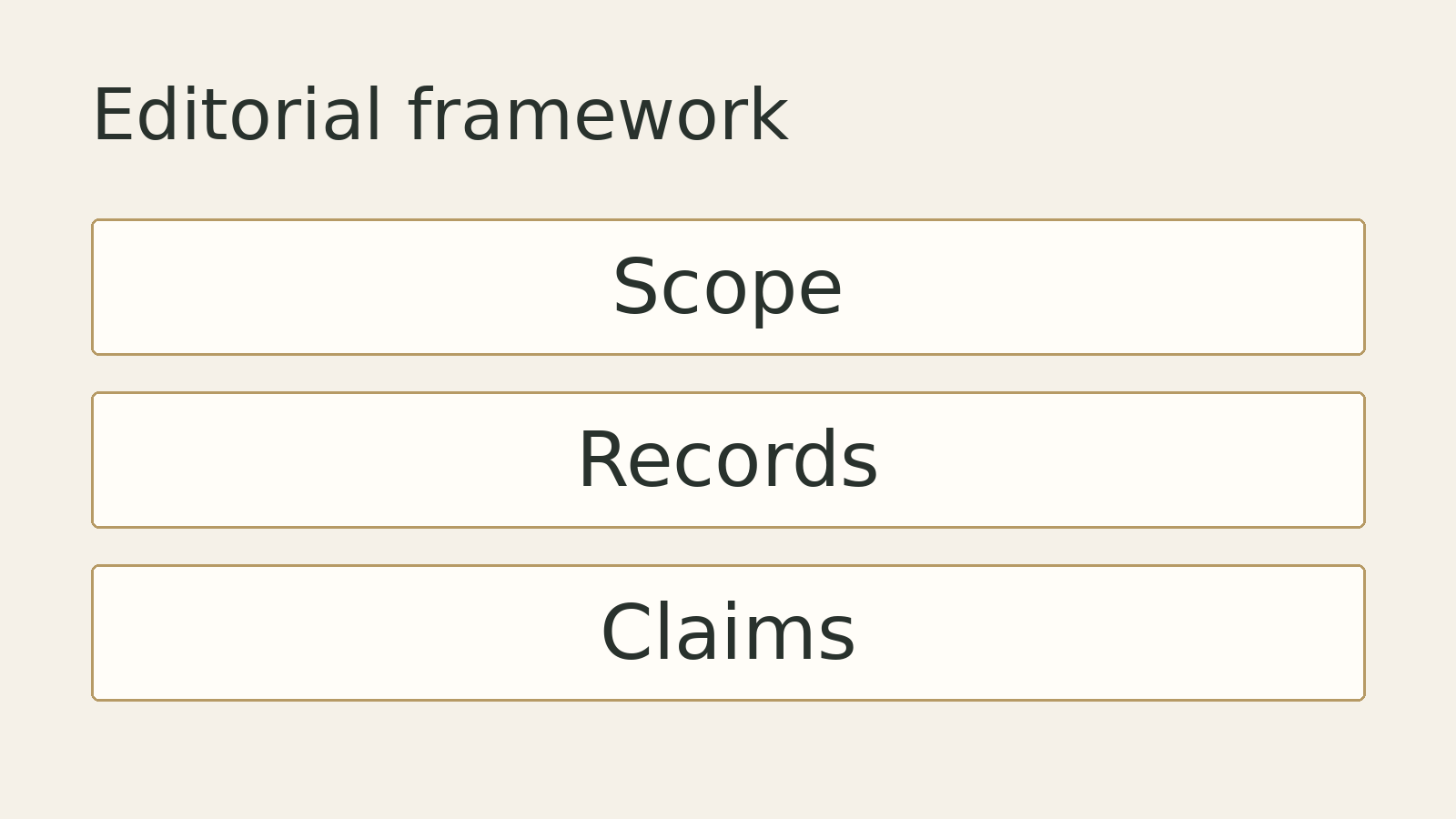
The first question for a reporting team is therefore scope: which entity, regulator, reporting period and requirement are relevant? A group may operate in several jurisdictions, and an investor request may differ from a legal filing obligation. Those distinctions need to remain visible.
Profile and snapshot mean different things
The Foundation explains that profiles describe jurisdictions with finalised approaches. Snapshots offer higher-level information where profiles are still developing or the regulatory position is in progress. It warns that a snapshot may differ from final requirements.
This is a useful discipline for companies reading announcements about adoption. A consultation, a planned approach and an effective requirement are different stages. Before publishing a compliance statement, the team needs the current authority text and the specific application conditions, not a general news headline.
Build evidence before design
A practical internal process can assign owners for data, record calculation methods and preserve the source documents behind each metric. It should distinguish measured values from estimates and explain changes in scope. These are proposed reporting controls, not a claim that every standard requires identical procedures.
The published report is the visible output, but consistency depends on the underlying records. A polished dashboard cannot correct an unclear boundary or two departments counting the same activity differently. Reviewing those issues early can make later assurance and comparison more meaningful.
Use precise words
Companies should distinguish preparing for a framework from reporting in accordance with it. A voluntary reference to selected concepts should not be promoted as full compliance. The appropriate statement needs to match the actual work completed and the rules that apply.
For Gulf business readers, the Foundation's profiles and snapshots offer an orientation point, not a substitute for current jurisdiction-specific advice. The strongest sustainability report is one whose claims can be traced, whose limits are stated and whose compliance language has been checked. Recognition can follow; it should not lead the evidence.
Sources and scope
Editorial analysis of public sources. Regional estimates, global figures and projections retain their stated scope. Proposed management practices are not a statement of local legal requirements.