
In This Article
Separate presence from influence
A board can change its membership without changing how decisions are made. The question for a nomination committee is therefore broader than who has joined: who receives the papers in time, who chairs the difficult discussion, and whose challenge becomes an action? These are useful tests for any board evaluating whether its diversity commitments reach the decision itself.
IFC places women on boards and in business leadership within its corporate governance work. Its programme combines work with capital markets, leadership networks and training. That framing matters for Middle East companies: inclusion belongs inside the machinery of governance, rather than being treated as a separate communications project.
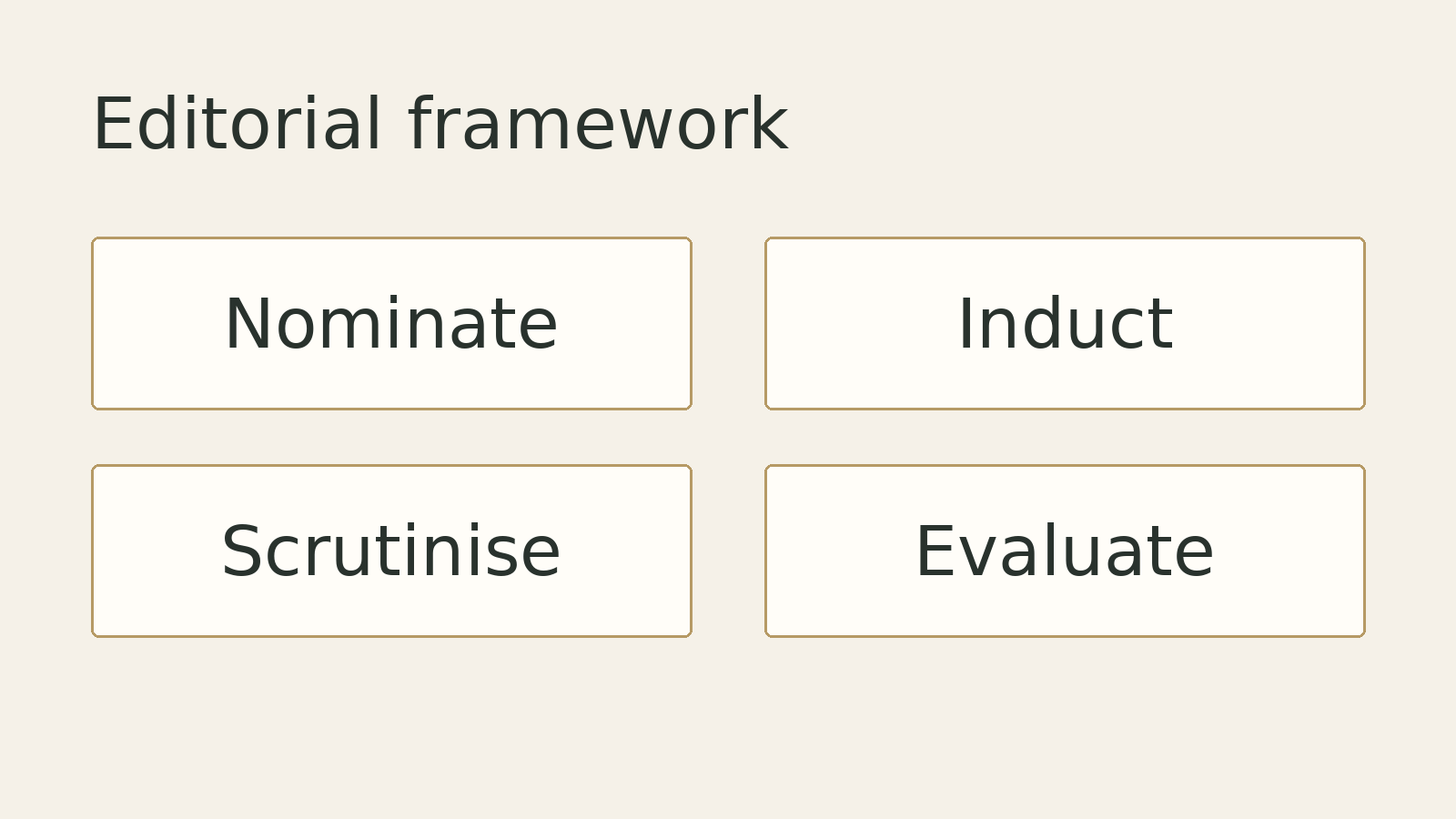
Make nomination a process, not a favour
An explicit skills matrix can make the search more disciplined. Start with the business risks the board must oversee: financing, digital systems, operational safety, expansion or succession. Then specify the experience needed to question management on each. Search beyond the relationships of existing directors, and use the same evidence threshold for all candidates.
This approach does not imply that every woman brings the same perspective or that gender substitutes for expertise. It asks whether the search process is narrow enough to miss qualified people. Recording the reasons for selection and the development needs of incoming directors also makes the appointment easier to evaluate later.
Give the role the tools to work
Induction should cover the company rather than stop at a governance handbook. A new director needs access to operating leaders, an explanation of the financial model, the major risk assumptions and the history behind unresolved decisions. Without that context, even a highly qualified appointee can be left reacting to an agenda written by others.
Committee assignments also matter. A director invited onto a board but excluded from the committees where scrutiny happens has limited opportunity to contribute. Chairs can ask whether membership and leadership of audit, risk, remuneration and nomination committees reflect the board's actual skills. The answer should be grounded in experience, not a gendered assumption about suitable subjects.
Evaluate participation without promising returns
Practical review questions are more useful than celebratory photographs. Did the chair invite disagreement before closing the item? Were requests for information answered? Did the minutes record the decision, its assumptions and its owner? An annual board review can examine these practices without turning the number of speaking minutes into a crude performance score.
IFC describes research connecting gender-inclusive leadership with business and sustainability outcomes. Correlation is not a guarantee that a particular appointment will increase profits. The defensible case is that a board should search widely for qualified directors and create conditions in which those directors can exercise judgment. A seat opens that possibility; the way the board works determines whether it becomes real.
Sources and scope
This is editorial analysis of public material, not an interview or a claim about every employer in the region. Recommendations are proposed management practices, not statements of local employment law.