In This Article
A shared dependency
The IEA estimates MENA produced 12 billion cubic metres of desalinated water in 2024 and projects production to triple by 2035. It expects future growth to come from electricity-powered reverse osmosis. Those are regional estimates and projections, not a delivery schedule for an individual plant.
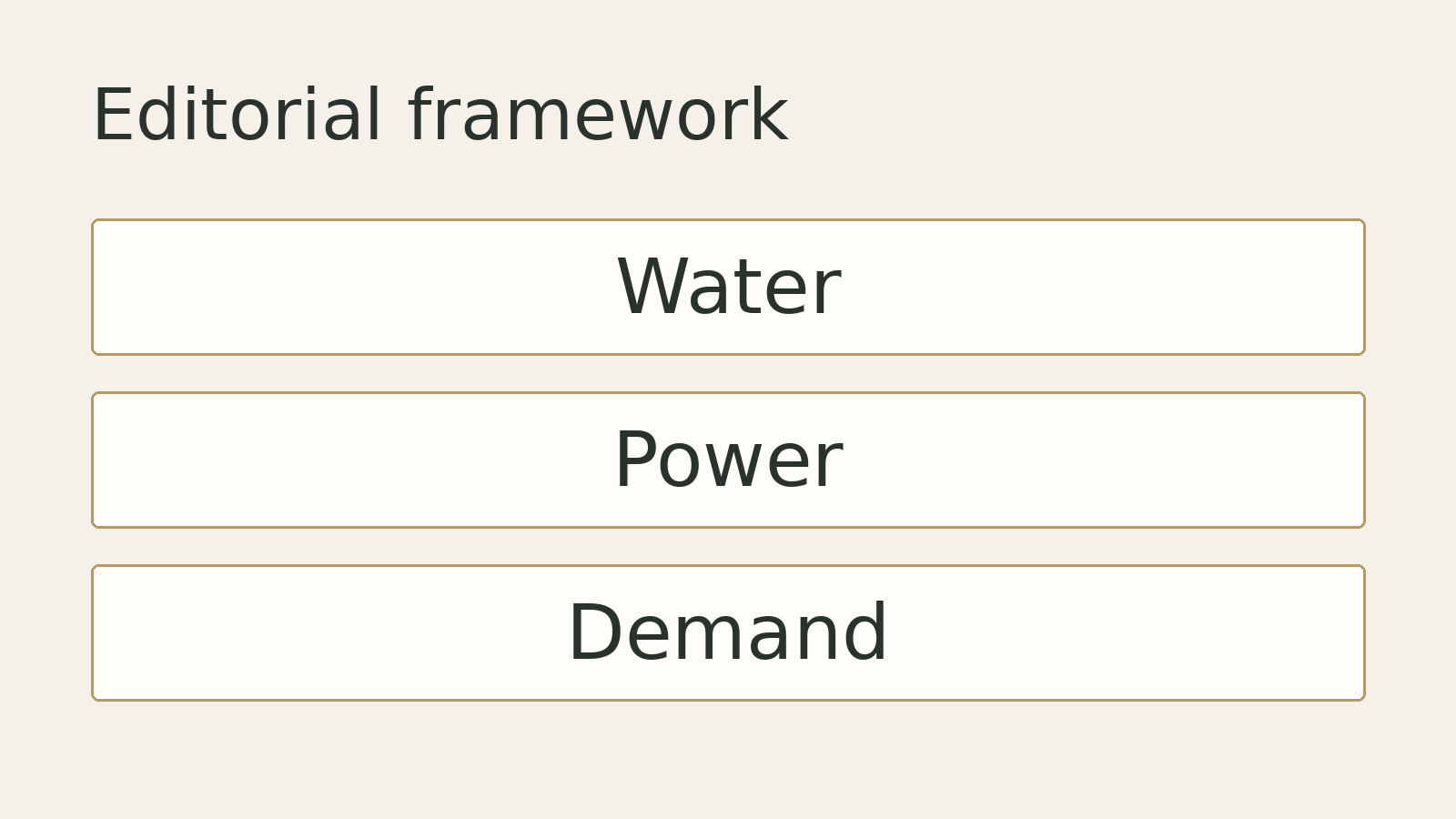
The implication is a connection between two essential services. A water system increasingly dependent on electricity needs reliable power, while the electricity system has to account for the timing and scale of water production. Planning one without the other can miss that dependency.
Technology changes the load
The IEA distinguishes the existing mix of thermal desalination from the expected growth of reverse osmosis. A technology change affects how the sector consumes energy. It does not make water production free of energy or environmental considerations.
For readers, the first task is to identify the technology and operating stage of the project being discussed. An announcement about capacity should not be treated as actual water delivered. The same installed-versus-produced distinction that matters in electricity also matters here.
Demand management belongs beside supply
A business can begin its own water review with meter coverage, leaks, process demand and the quality of water needed for each use. These are proposed management questions, not a claim that every Gulf company has the same waste pattern. Without measurement, a supply expansion can obscure avoidable consumption.
Utility planning also needs to consider storage and continuity. The appropriate arrangements depend on the local network, service requirements and technical design. A broad regional forecast cannot settle the engineering choices for a particular facility.
Keep scenarios conditional
The IEA expects cooling and desalination together to contribute close to 40 percent of projected MENA electricity-demand growth to 2035. That gives planners a reason to examine the two together, but it remains an outlook based on stated assumptions rather than an inevitable outcome.
The useful business lesson is coordination. Water targets, electricity procurement, efficiency plans and resilience reviews should use compatible assumptions. When a forecast changes, the linked plans should be reviewed together. Water security and power security are distinct services, but their growing connection deserves a shared decision table.
Sources and scope
Editorial analysis of public sources. Regional estimates, global figures and projections retain their stated scope. Proposed management practices are not a statement of local legal requirements.