In This Article
Define the account list
CISA's small-business guidance urges organisations to verify multifactor-authentication coverage rather than assuming that an instruction to enrol has been followed. It highlights administrator accounts and possible gaps when staff join or change phones. This is technical guidance from a US agency, not a local compliance determination.
Begin with the systems and accounts the company actually uses. Work with the authorised IT owner to identify email, administrator access and other important services. Avoid keeping this inventory in a public document or exposing recovery information in a routine project update.
Measure enrolment and enforcement separately
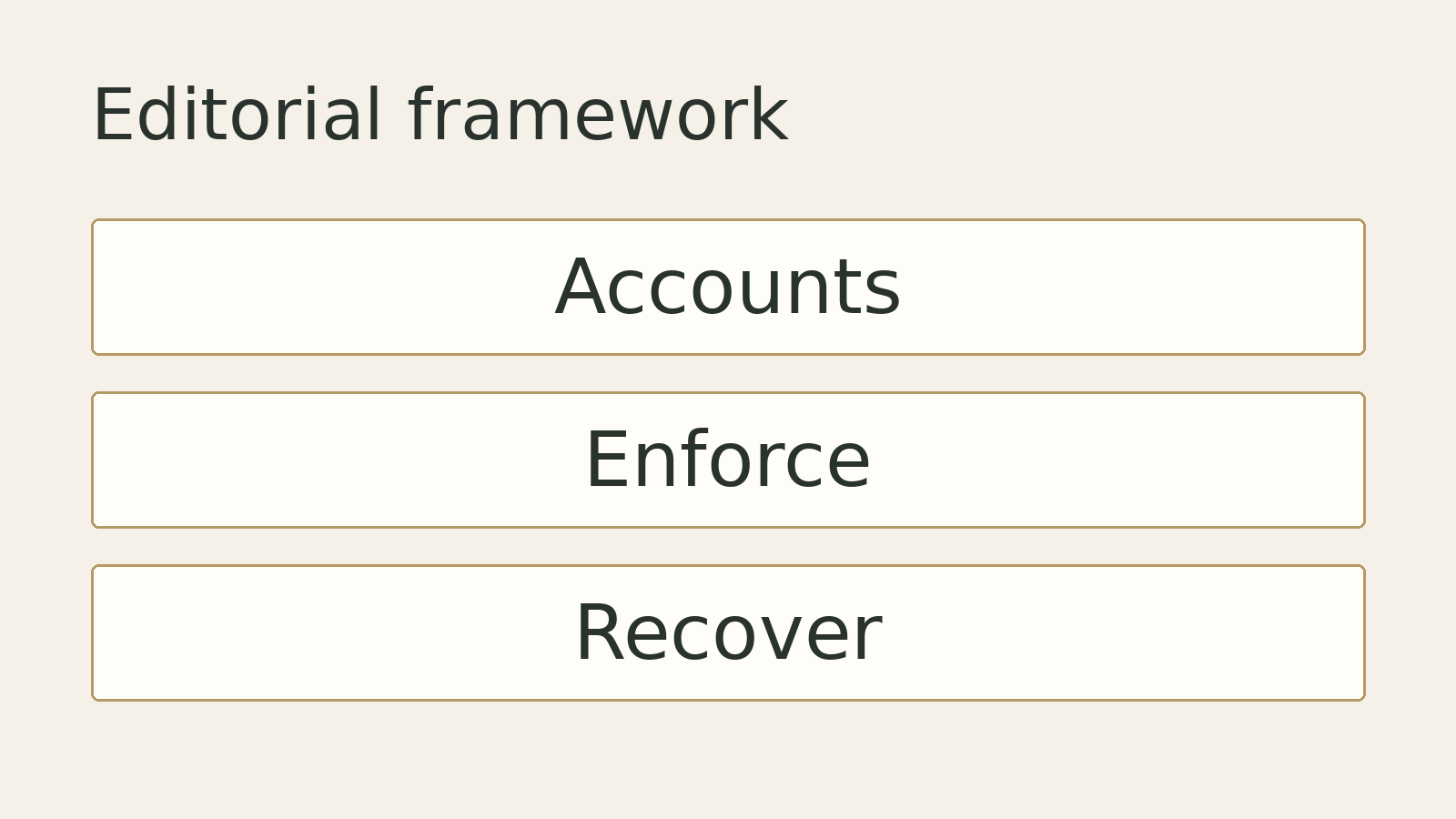
An account may have a second factor registered without every relevant sign-in being protected. Ask the responsible technical team what the system enforces and what evidence supports the status. Record exceptions and legacy paths instead of hiding them inside a single completion percentage.
CISA distinguishes stronger phishing-resistant FIDO authentication from other forms of MFA while noting that any MFA is better than none. The appropriate deployment needs to fit supported systems and the organisation's risk. A product label alone is not proof that every account is protected as intended.
Plan for recovery before a lockout
Agree how an authorised person recovers access after losing a device or changing a number. Test the approved process with the IT team in a safe way. Do not disable protection, share codes or create an informal bypass merely to make the rollout appear complete.
Explain to staff where to ask for help and how to report an unexpected sign-in request. Keep the guidance short enough to use. Recovery and support must preserve security as well as access; the detailed configuration belongs with the people responsible for the environment.
Maintain the coverage
Add MFA checks to the company's joiner, role-change and leaver processes, and review authorised exceptions. A one-time rollout is not the same as maintained protection when accounts, devices and suppliers change.
CISA places leadership support alongside technical controls. That is a useful management lesson: leaders should remove obstacles and track the result, while qualified staff configure and verify the systems. The outcome to report is evidence-backed coverage and a controlled exception list, not simply that the announcement was sent.
Sources and scope
This is an editorial working method, not legal or tax advice. The linked sources supply context; the suggested checklists are our analysis. International guidance is not presented as local law. Confirm requirements and technical or safety measures for the specific operation with qualified professionals.