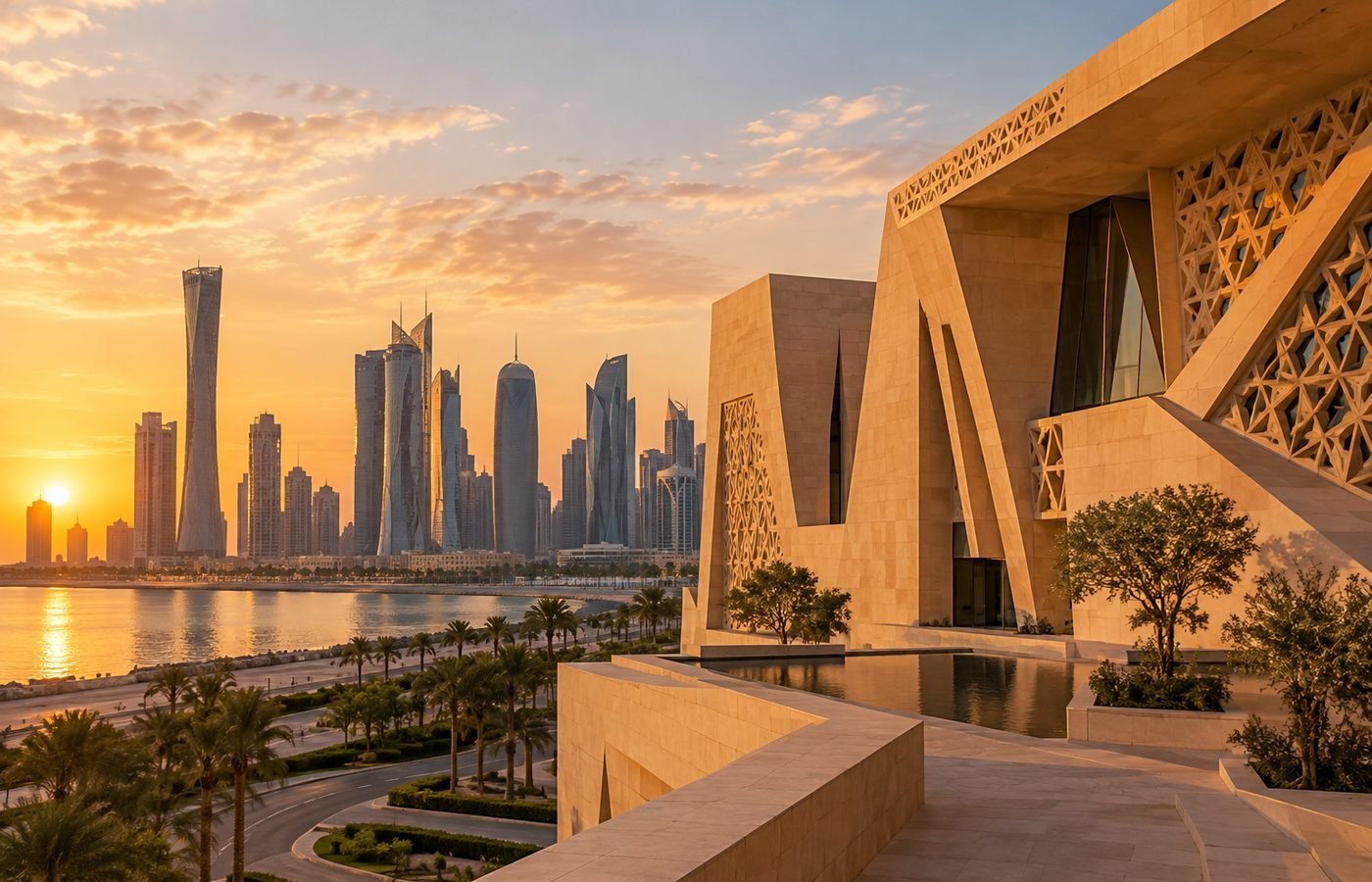
Visitors often arrive with a single image of the Gulf city: a skyline of glass, built at speed. The picture is not wrong, but it is incomplete, and the people who design these places are the first to say so.
A newer conversation among architects and developers is about what happens at street level. Shade, wind, public seating and walking routes decide whether a district is lived in or only photographed.
Learning from older forms
Traditional courtyards, screens and narrow lanes were climate tools long before the term existed. Contemporary projects borrow their logic, using patterned facades and deep recesses to cool buildings and soften light, rather than copying decoration.
Ambition with restraint
Bold towers will continue to be built. What is changing is the confidence to build modest things well: a library, a market hall, a well-planted square. Developers in this sample piece describe these as the projects that make an expensive district feel like a neighbourhood.
The evolution of Gulf cities is not a retreat from ambition. It is ambition applied to the details people experience every day.