
In This Article
The useful question for a chief executive is not whether governance matters. It is which decisions belong to whom, and what evidence shows that the system works. UAE public sources provide three distinct examples: Mubadala's allocation of authority, the Ministry of Economy and Tourism's family-business framework, and the national AI strategy. They describe different institutions and policy tools, not a single rulebook for Gulf companies.
Make decision rights visible
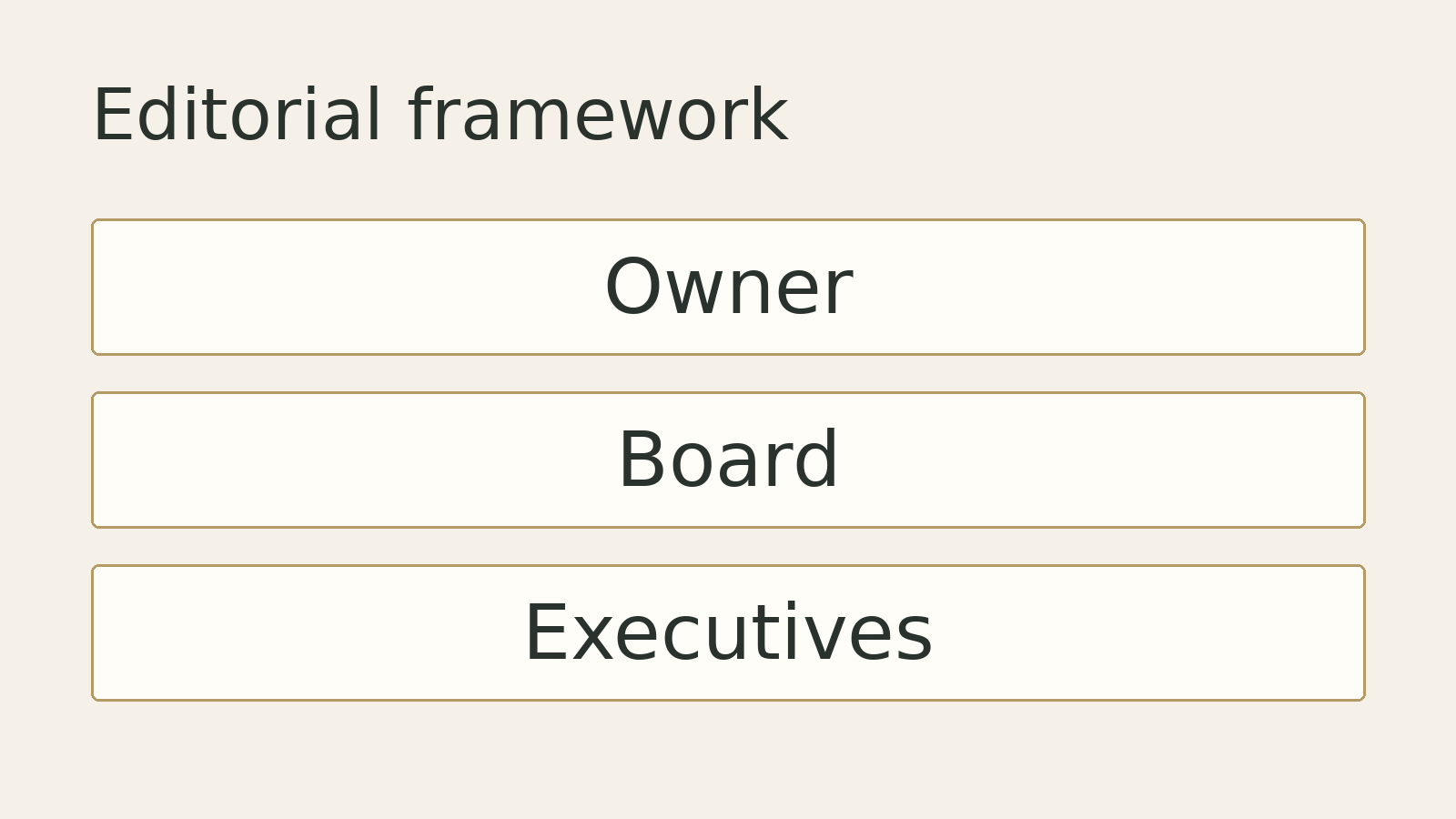
Mubadala says its board is responsible for strategic direction, oversight and corporate governance. It reviews and approves strategic direction and business plans annually, while delegating aspects of executive management to the group chief executive and investment committee. The investment committee is responsible to the board for investment strategy, overall performance and management under its charter.
This is one sovereign investor's published arrangement, not proof that every regional business works in the same way. Its value as a management example is the distinction it makes visible: setting direction, exercising oversight and executing decisions are connected responsibilities, but they are not interchangeable.
Give succession its own documents
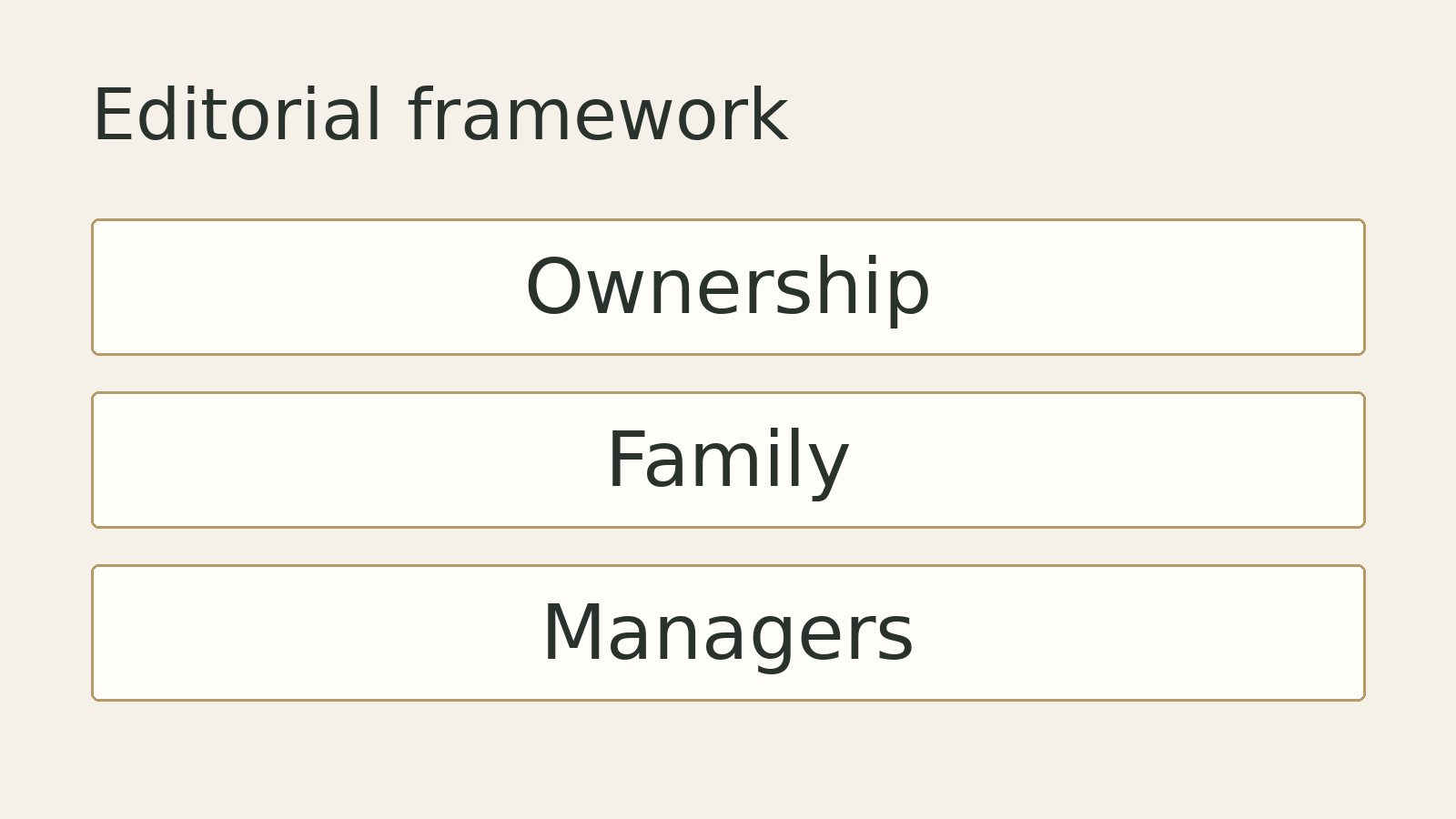
The ministry's family-business registration guidance describes succession plans and governance structures recorded in the articles of association and an optional family charter. It also identifies structures such as family councils, family offices and investment committees. That is a different governance problem from running an investment committee at a sovereign fund.
For an owner-managed company, the practical discussion should distinguish family membership, ownership rights and operating responsibilities. A family charter may help document those questions, but the ministry's framework should not be treated as a guarantee that a particular family will avoid disputes.
Separate an AI ambition from an operating result
The Cabinet adopted the National Artificial Intelligence Strategy 2031 in April 2019. Its objectives include talent, research, data infrastructure and governance. These are policy objectives. They do not establish that a particular company has deployed AI successfully or that every board faces the same technical obligations.
A useful board discussion can therefore start with a narrower test: which business problem is being addressed, which data the proposed system needs, who owns the risk and how success will be measured. Those are editorial management questions, not new legal requirements inferred from the strategy.
Read each example at its proper scale
Public governance documents are most useful when their limits remain visible. Mubadala explains its own authority structure. The family-business guidance addresses a particular legal framework. The AI strategy sets national ambitions. Read together, they suggest a disciplined executive agenda: document responsibility, plan continuity and test technology proposals against evidence. They do not support a blanket claim about how all Gulf boardrooms are changing.
Sources and scope
Checked 27 October 2026. Analysis and recommendations are distinguished from source statements. Sources below do not imply an interview, endorsement or guaranteed outcome.