In This Article
An introduction can make a conversation possible. It cannot do the work of a contract, a competent team or a sound decision. For leaders building partnerships in the Middle East, that distinction is worth keeping clear. This is an editorial view about professional practice, not a survey of regional business culture and not a claim that personal access determines how every Gulf company operates.
Know what an introduction establishes
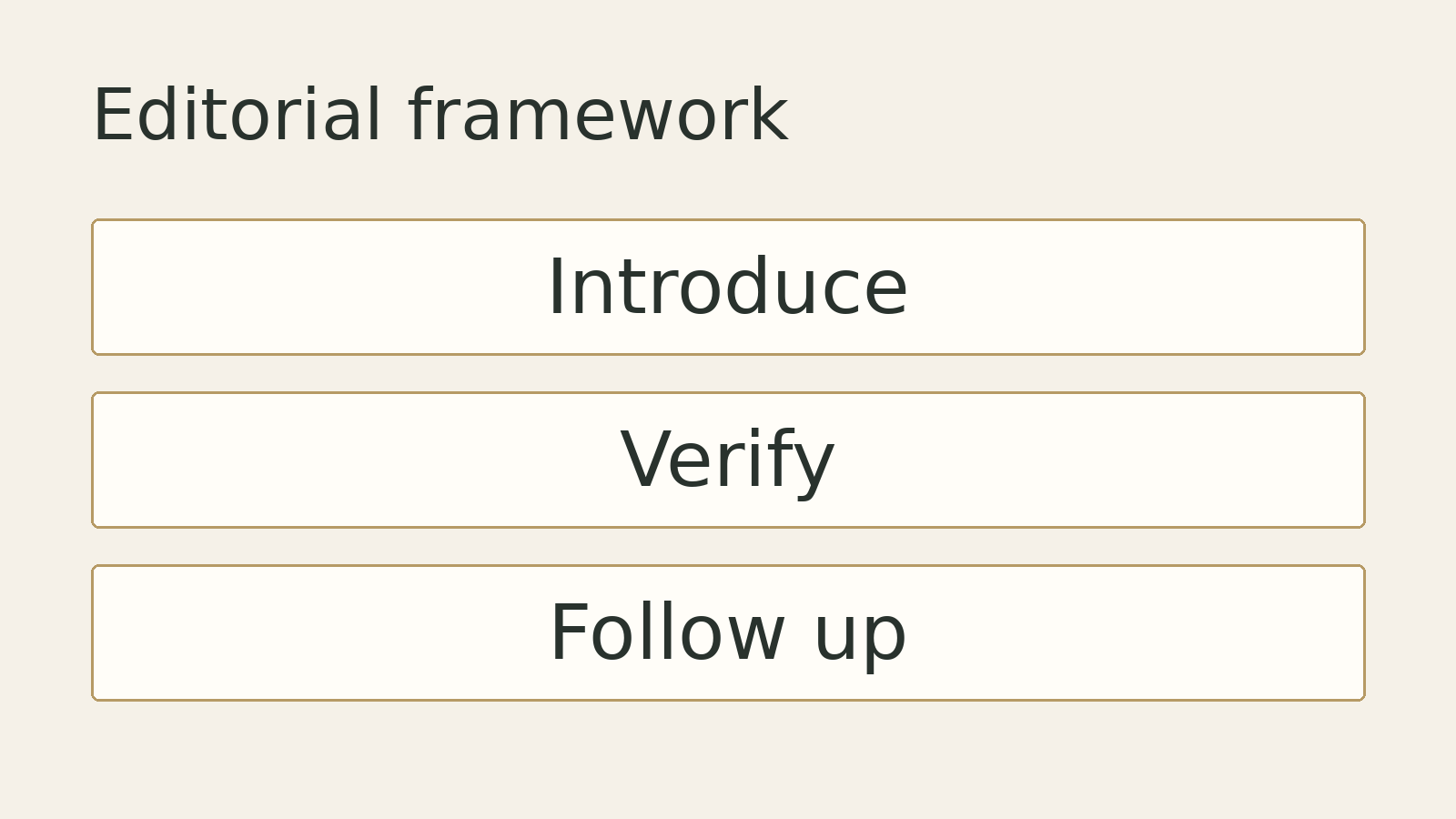
A trusted contact can explain why two people should speak. The introduction does not establish a supplier's financial position, a partner's authority to sign or a project's commercial viability. Treat those as separate checks.
The practical question after a promising meeting is therefore specific: what needs to be verified before the next step? A clear brief and a record of agreed actions are more useful than assuming that a warm introduction has settled the underlying risks.
Make responsibility visible
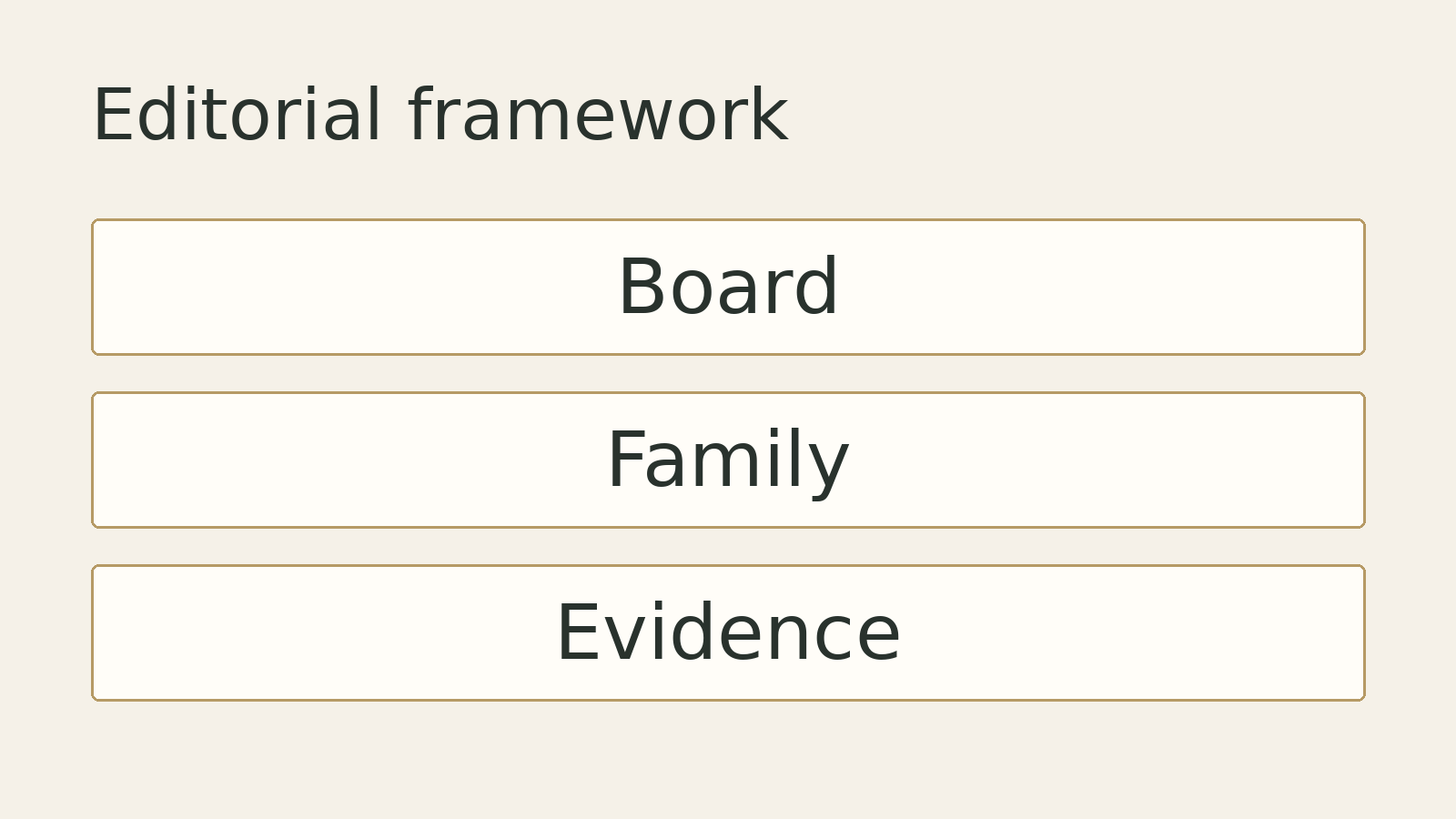
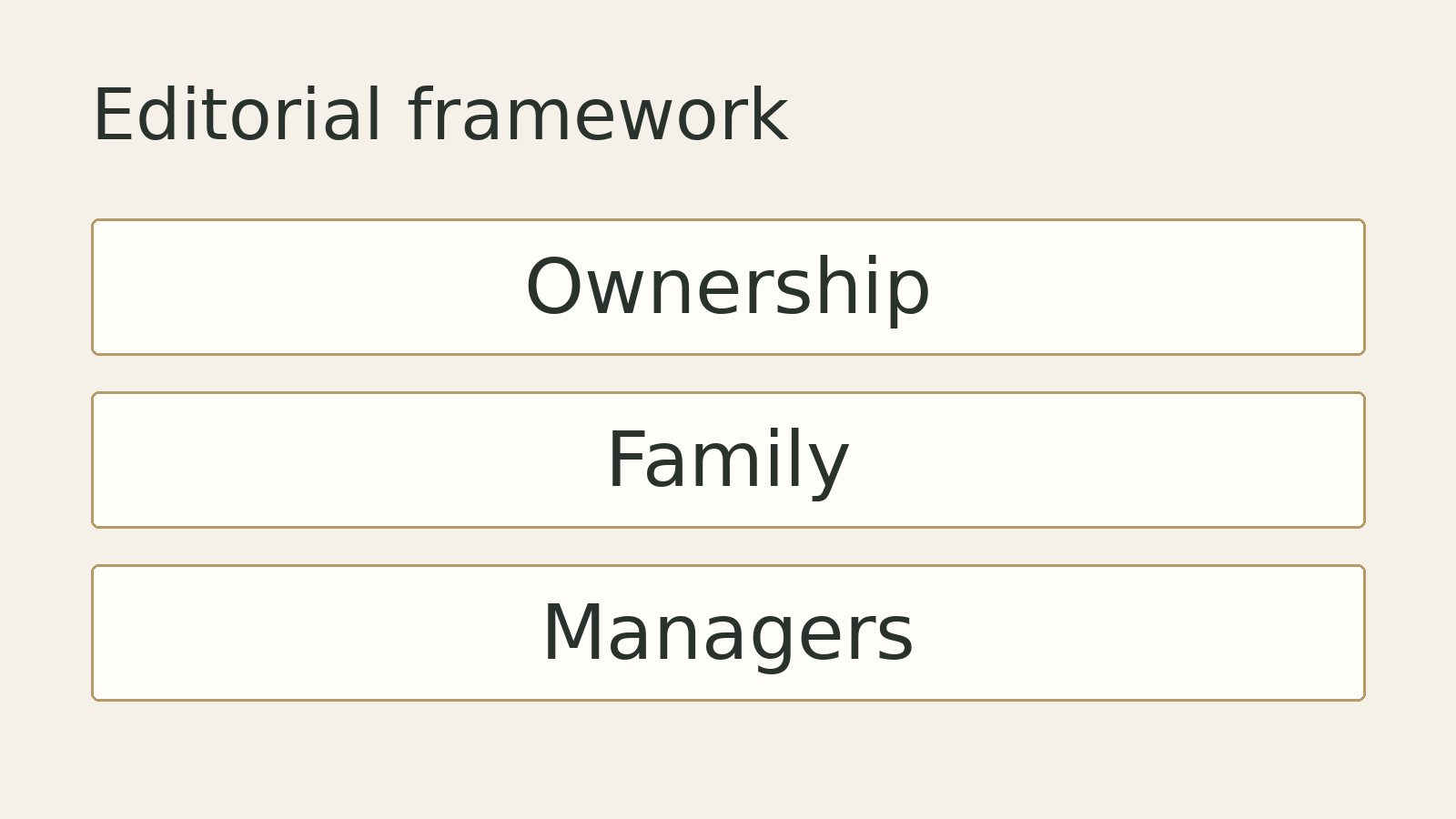
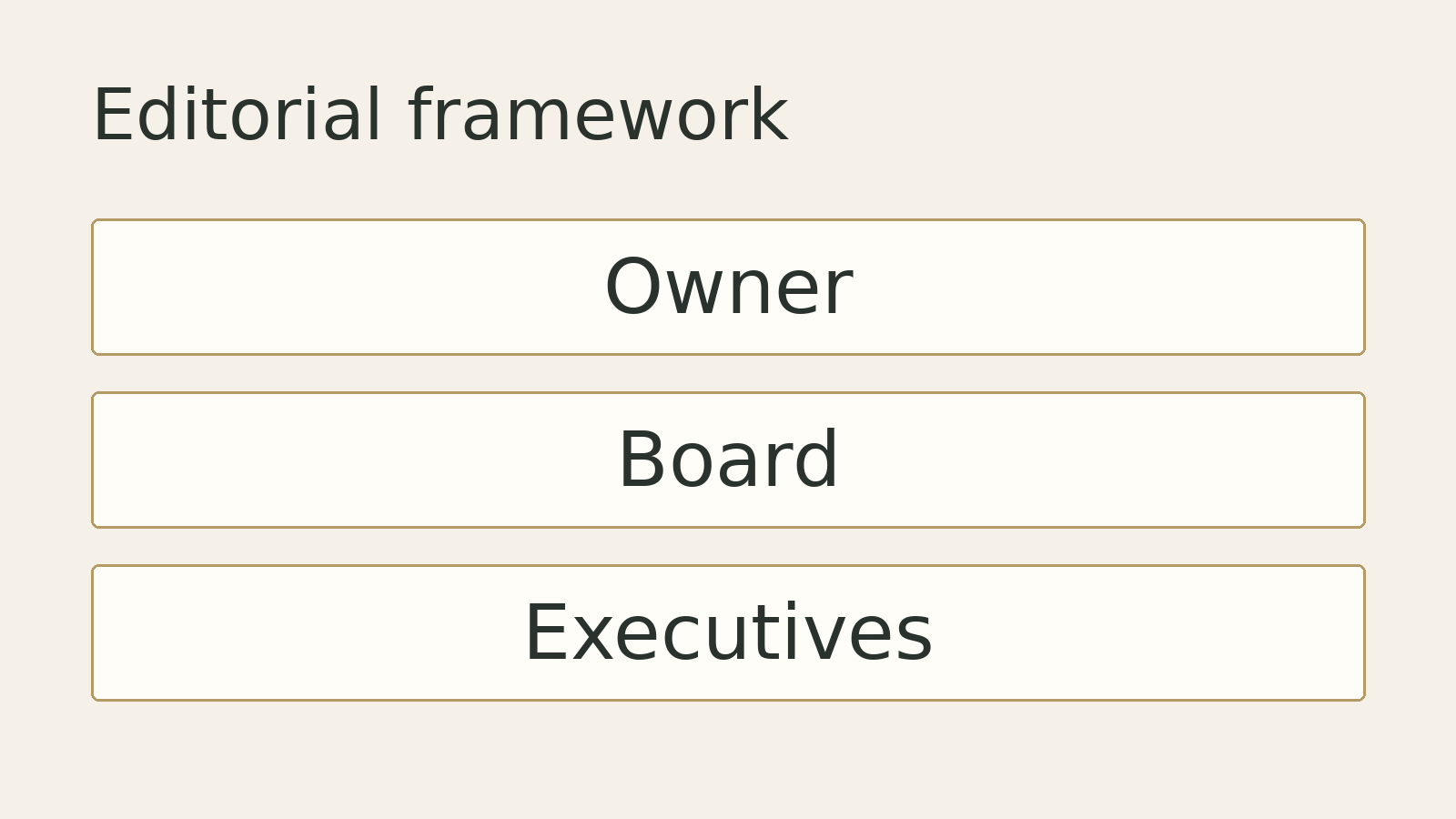
Mubadala's public governance pages provide a concrete contrast with the idea that relationships can replace structure. They describe board responsibilities and delegated executive management, with an investment committee responsible to the board under its charter.
That example does not define the whole region. It illustrates a narrower point: an institution can publish who is responsible for strategy, oversight and management. People seeking a partnership should ask which role the person across the table actually holds and which decisions need another approval.
Keep promises small enough to keep
A useful working habit is to write the next action, its owner and its date at the end of a meeting. If the proposal is still exploratory, say so. If a deadline depends on someone else, make that dependency visible rather than making an unconditional promise.
These are recommendations, not reported findings about how Gulf leaders behave. Their purpose is to reduce ambiguity. A network becomes less useful when every conversation produces expectations that neither side has recorded.
Let the relationship survive the decision
Not every introduction should lead to a deal. A clear refusal, an honest explanation of fit and careful handling of confidential information can be more responsible than continuing a weak proposal to preserve appearances.
Professional trust is easiest to discuss when it is tied to conduct rather than geography: verify authority, state limits and follow through on what was actually agreed. Relationships can support sound work. They should never be presented as permission to skip it.
Sources and scope
Checked 27 October 2026. Analysis and recommendations are distinguished from source statements. Sources below do not imply an interview, endorsement or guaranteed outcome.