Many of the region’s best known companies began as a single trading house, a workshop or a shop. A few generations on, they are diversified groups with hundreds of employees and a family tree that needs its own chart.
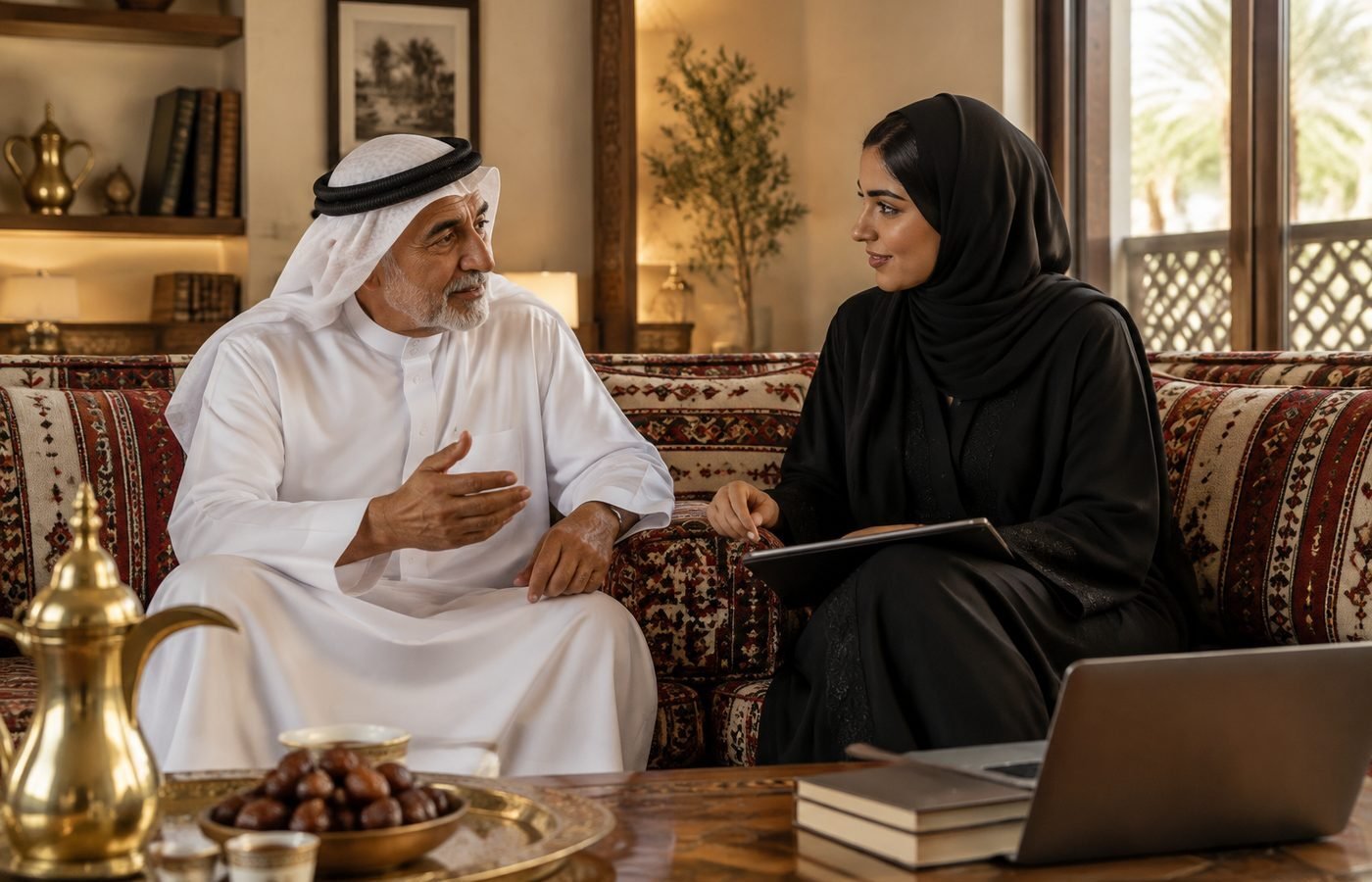
Handing leadership to the next generation is rarely a single moment. The groups that manage it well tend to treat it as a long process with its own milestones: time spent outside the family firm, a clear route into responsibility, and a shared understanding of what the family expects from its own members.
Governance as a kindness
A family charter can sound formal for a business built on personal trust. In practice, it often protects relationships. Written rules on dividends, board seats and how family members join the company reduce the number of decisions that have to be made in a tense moment.
Keeping the founding instinct
Younger leaders often bring fresh skills: digital operations, international finance, sustainability reporting. The challenge is to add these without discarding the patient, relationship-led judgment that carried the company this far.
The most convincing successors in this sample piece describe themselves as stewards. They are not trying to prove they are different from the founders. They are trying to ensure the company is still worth inheriting in another thirty years.